Calgary Airport Expands Assaia's ApronAI to Cargo Operations
Calgary Airports is expanding Assaia's ApronAI platform to cargo operations at YYC Calgary International Airport, becoming the first airport in Canada to deploy the technology in a cargo environment.
AI-enabled cameras have been installed at Apron 9, one of YYC's dedicated cargo aprons, with the system scheduled to go live Nov. 10. The expansion follows last year's deployment of ApronAI across the airport's passenger gates.
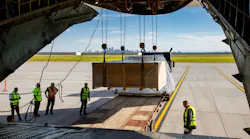
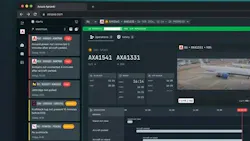
The technology will monitor freighter turnarounds from arrival to departure, recording when key activities such as unloading, loading and fueling begin and end. Calgary Airports, cargo operators and ground handlers will have access to the same real-time operational data, helping them identify delays, improve coordination and better understand turnaround performance.
"We're going live just ahead of our busiest stretch of the year for cargo, and that timing is intentional," said Megan Gupton, chief information officer at Calgary Airports. "Peak season tests every part of the operation. It will show us and our partners where things run smoothly and where we can improve, and we'll use what we learn to plan for 2027 and beyond."
Unlike passenger aircraft turnarounds, cargo operations can vary considerably depending on shipment types and handling requirements, making turnaround times more difficult to predict.
"By capturing exactly what happens on the apron, ApronAI gives Calgary Airports and its partners the data to better understand that variability and identify opportunities to make cargo operations more predictable and efficient," said Christiaan Hen, CEO of Assaia.
The project received support from the Government of Canada through its National Trade Corridors Fund.
YYC recorded more than 5,200 cargo landings last year and handles more than 70% of Alberta's air cargo tonnage. Calgary Airports has invested more than $100 million in cargo infrastructure supporting e-commerce, perishables, pharmaceuticals and other specialized shipments.