Update – Self Screening Revisited

The persistence of the silly season should not surprise us, given that the focus of this column has for many years been primarily about potential technological progress at DHS and TSA, but it should concern us that there seems to be no end to the search for the ultimate technology in aviation security. They have included such .... ummm....“interesting” ideas as a ’bionic’ nose, a ‘digital’ nose (yes – two different noses, one of which is drone mounted; the other would distinguish among individually unique human body odors ), drug-sniffing mice (in keeping with the aromatic theme), facial expressions (a few dozen training emojis spring to mind), various bodily function sensors (heart rate, respiration - presumably strapped on) that could determine your behavioral intent , a brain monitoring hat, and sensors in a seat cushion. The mind boggles. Mine did. Repeatedly.
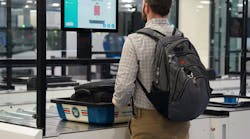
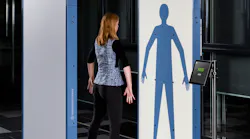
This is preface is a follow-up to my previous ramblings in this space regarding a November DHS “Request for Information (RFI) seeking to “ gather relevant information from interested sources regarding feasibility, technological capability, and general levels of effort required to develop a passenger self-screening solution.” Repeating for emphasis: Passenger Self – Screening Solution. The deadline for response was originally February 21, but DHS then inserted an industry briefing on February 12, presumably to explain what they were looking for and possibly what has already been in the unsuccessful pipeline in order to avoid an abundance of redundancy.
I did not attend the briefing within TSA HQ; I no longer have the clearances. Providing a nine-day response time hardly seems particularly useful, but sources suggest much of the response to date to the original notice has been weak, weird and wondering - such as, “are you serious?”
One of the industry media articles about this RFI quotes DHS as “exploring ideas to bring [TSA Pre-Check] concepts to the passenger screening process by collaborating with passengers and screening authorities to make security lines and x-ray machines a single step process.” Aside from the exceedingly vague bureaucratic language, it goes on to note that “DHS experts want to enable passengers to receive personalized alarms [emphasis mine] while in the security line to avoid delays from unexpected machine alarms.” I can understand some marginal value to the typical passenger: “Damn. I forgot about packing my gun and machete and banned tropical fruits.” I can also understand a similar but competing value to the occasional terrorist: “Damn. I’ll get out of line and try again tomorrow. And the next day. And the next day...”
About the Author
 Art Kosatka
CEO
Art Kosatka is CEO of TranSecure, an aviation consultancy in Virginia. He'll respond to questions or comments at [email protected].