airBaltic Embraces Digitalization in Maintenance by Implementing AMOS System

A new announcement from airBaltic is highlighting the company’s digitalization and innovation efforts through the implementation of AMOS—a system for managing aircraft maintenance and engineering.
AMOS is an integrated system developed by Swiss Aviation Software (Swiss-AS) that brings together operations like:
- Aircraft maintenance planning and execution
- Engineering processes
- Spare parts management
- Logistics
- Technical operations
Aviation maintenance providers and airlines around the world use AMOS to support:
- Efficient maintenance management
- Operational transparency
- Compliance with aviation industry regulations
As airBaltic’s previous maintenance management system no longer supports all the company’s technical operations requirements, AMOS offers new capabilities to keep up with demand and technical developments, such as:
- Managing maintenance processes
- Automating manual tasks
- Improving coordination between departments
One of the key advantages of AMOS is its ability to centralize and structure technical data, which lets airBaltic collect and manage detailed information, including:
- Aircraft maintenance activities
- Aircraft configurations
- Spare parts
- Resource allocation
- Associated costs
AMOS can also help improve process monitoring and identify optimization opportunities to allow for future development of more advanced analytics and predictive maintenance capabilities.
The new platform offers more detailed tracking of maintenance activities and related expenses as well, allowing for greater transparency and more accurate cost analysis.
The implementation project took approximately two years, with its active phase beginning in October 2024 and the system going live in November 2026. The transition to AMOS affects the daily working processes of approximately 600 employees within the airline’s Technical Department, as well as related accounting functions.
Throughout the project, airBaltic completed steps like:
- Reviewing and updating technical processes
- Migrating data from its previous system
- Upgrading the supporting IT infrastructure
The implementation was completed in cooperation with Swiss Aviation Software and external project partners AFRY, Axiom Group and EXSYN, which provided expertise in process development, project management and data migration.
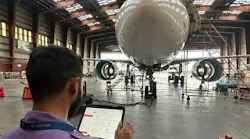
Looking ahead, airBaltic plans to explore further opportunities enabled by AMOS, including the introduction of mobile applications that would allow maintenance technicians to access aircraft information, maintenance tasks and spare parts data directly at the aircraft using tablets.
The platform also creates opportunities for the future introduction of solutions like:
- Electronic maintenance documentation
- Electronic aircraft technical log
- More paperless solutions
Additionally, AMOS provides functionality that could support the expansion of aircraft maintenance and component repair services to external customers.
Head of Maintenance Workflow Digitalization at airBaltic Aleksandrs Vorobjovs said, “The implementation of AMOS is a valuable achievement for airBaltic and the result of two years of dedicated work and close cooperation across our teams.”
Vorobjovs continued, “This project has given us the opportunity not only to introduce a modern system, but also to review and improve the way we manage our technical operations.”
“We are pleased with what we have accomplished together and the opportunities this creates for the future,” added Vorobjovs.
He noted, “With AMOS now in place, we are better equipped to continue developing our processes, introduce new digital solutions and support the airline’s long-term operational needs.”
Swiss-AS CEO Fabiano Faccoli said, “A successful AMOS implementation is about more than replacing a maintenance system. It is about giving airlines the tools and reliable data they need to manage increasingly complex technical operations.”
“Together with airBaltic, we have established a foundation that connects maintenance processes, improves transparency and creates opportunities for further digitalization,” noted Faccoli, “We look forward to supporting airBaltic as they continue to build on these capabilities.”