Barcelona Ground Handler Strike Highlights Growing Workforce Pressures Across Europe
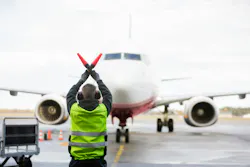
Groundforce employees at Barcelona-El Prat Airport launched an indefinite strike Aug. 4, disrupting baggage handling, passenger processing and other critical ground operations during one of Europe's busiest travel periods.
The labor action, organized by the CGT union, involves approximately 1,179 Groundforce employees responsible for baggage handling, check-in, boarding and flight coordination for more than 20 airlines, including Lufthansa, Air France, United Airlines and Qatar Airways. Workers say the strike follows months of unsuccessful discussions over occupational safety concerns, excessive workloads and staffing shortages.
Union representatives argue that heavy workloads, high employee turnover and inadequate risk prevention measures have created unsafe working conditions on the ramp.
"The current work environment is causing unsustainable workloads and a high turnover of staff that generates an extreme level of physical fatigue, stress and risk of accidents," the union said in announcing the strike.
Spanish authorities have ordered minimum service levels ranging from 35% to 80% of normal operations, depending on the route, allowing flights to continue while limiting the extent of disruptions. Even so, officials estimate the strike could affect roughly 2 million passengers and more than 11,600 flights through the end of September if the dispute continues.
The Barcelona action comes just months after Groundforce workers staged another nationwide labor dispute over wage issues. While that strike centered on pay, the current dispute focuses on workplace safety, fatigue and staffing levels, underscoring broader workforce challenges facing ground handling providers as passenger traffic remains strong.
At the same time, approximately 600 Swissport employees at Palma de Mallorca Airport also began an indefinite strike over scheduling, overtime and working conditions, highlighting labor pressures across Spain's ground handling sector during the peak summer travel season.
The dispute also underscores a broader challenge confronting ground handlers worldwide. Across the industry, companies are investing in workforce technology, training and automation to improve operational efficiency, but many continue to face labor shortages, high turnover and mounting pressure during peak travel periods. As passenger demand continues to grow, balancing productivity with employee safety and retention remains one of the sector's most significant operational challenges.