Malaysian Airport Customs Seize $12.1 Million in Suspected Smuggled AI Chips
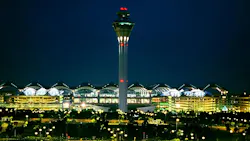
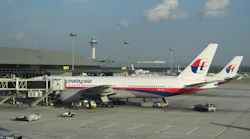
Malaysian customs authorities have seized approximately $12.1 million worth of advanced artificial intelligence chips at Kuala Lumpur International Airport (KLIA), uncovering another suspected attempt to smuggle restricted technology through the country's main international aviation hub.
The seizure occurred Oct. 15 during an inspection of a warehouse in the airport's free trade zone. Customs officers discovered 30 server units containing high-performance AI chips that had been declared as ordinary electronic components.
According to Reuters, KLIA Customs Director Aspalila Ag Tuah said preliminary investigations indicated the shipment originated in another Asian country and was intended for re-export to a third country in the region without the required trade permits.
Authorities suspect the shipment is connected to a broader smuggling network that has used Malaysia as a transit point for restricted semiconductor technology.
The latest seizure is the fifth case linked to the suspected network this year, with authorities reporting confiscated equipment valued at more than 100 million ringgit, or approximately $24 million, across the investigations.
In June, Malaysian customs officers intercepted another shipment containing 72 servers equipped with advanced AI chips at the airport's free trade zone.
Malaysia tightened export and transshipment controls on advanced U.S.-origin AI chips in 2025 amid concerns that restricted semiconductor technology could be diverted to China through intermediary countries.
Under the country's strategic trade regulations, certain high-performance chips require permits for export, transit or transshipment. The restrictions are intended to prevent Malaysia from becoming a conduit for technology subject to international trade controls.
Authorities have contacted a Malaysian company involved in facilitating the latest shipment as part of the ongoing investigation. No arrests had been reported as of Oct. 28.
The seizures highlight the growing challenges facing airport customs authorities as international air cargo networks are used to move increasingly valuable and tightly regulated technology across borders.