Engine Stand Utilization Report: How August 2026 Engine Stand Demand Informs Maintenance Planning for Fall
Key Highlights
- CFM56-5A/B engine stands have maintained around 93% utilization in 2026, driven by extended maintenance cycles and fleet aging.
- Demand for PW1100 stands has surged, averaging 95% utilization, fueled by the expansion of the A320neo fleet and increased GTF engine orders.
- Other narrowbody engine stands, such as those for the Boeing 737NG and LEAP engines, are experiencing variable demand influenced by fleet transition rates, maintenance cycles and engine program maturity.
- Early visibility into scheduled engine removals and coordinated logistics are essential for optimizing stand availability, reducing delays and ensuring readiness for the upcoming maintenance peak.
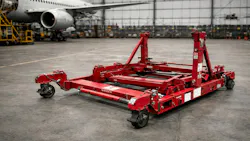
Engine stand utilization data from this past August shows how MROs and operators have been preparing for the upcoming heavy maintenance period, with specific engine families standing out with the most demand.
EngineStands.com reports identify the CFM56-5A/B stand as the most difficult engine stand to find right now, despite being one of the largest and most mature engine platforms in aviation.
According to these reports, “Stand demand for the powerhouse behind the Airbus A320ceo is outpacing every other engine family and the utilization across EngineStands.com fleet has held at full capacity since May.”
They add, “The team is receiving record volumes of leasing and purchase enquiries as operators across the market compete for what limited capacity exists industry wide.”
However, other engine programs are showing high utilization as well, with stands like the PW1100 at full utilization since this past spring.
EngineStands.com experts list key drivers of this demand, including:
- Growing MRO throughput
- Extended maintenance cycles
- Availability of shop slots, spare engines and tooling
- Aircraft delivery delays
Why CFM56-5A/B engine stands show the highest utilization in August 2026
EngineStands.com reports note, “CFM56-5A/B utilization averaged 93% through the first eight months of 2026, up from 77% in 2025.”
They continue, “Half of the tracked fleet remained at 100% utilization from January through August, while additional capacity reached full utilization in May and stayed there.”
Highlighting why CFM56-5A/B are starting the fall season with availability constraints, the reports showcase how 2026 demand differs from past years due to a lack of winding-down that usually occurs at the end of summer.
Experts from EngineStands.com explain, “In previous years, EngineStands.com portfolio utilization—including CFM56-5A/B—typically softened during the peak flying season, when fewer engines entered planned maintenance.”
“The wider portfolio followed that familiar pattern this year. CFM56-5A/B did not. Utilization remained at or near full capacity through the months that would normally return more stands to the available pool,” they add.
A significant reason for this is the trend of keeping aging aircraft in service for longer than expected to make up for OEM backlogs.
EngineStands.com reports say, “Airbus still carries several thousand A320neo-family aircraft in backlog, while single-aisle production is ramping from the mid-50s toward the low 60s per month during 2026, against a target of 75 per month in 2027.”
They elaborate, “Slower fleet renewal keeps more CFM56-5B-powered A320ceo aircraft in service for longer and sustains the maintenance requirement around them.”
How the growing A320neo fleet has impacted PW1100 stand utilization in August 2026
A crucial element in the aviation industry’s narrowbody fleet transitions, the Airbus A320neo family accounts for much of PW1100 engine stand usage for August 2026.
EngineStands.com experts state, “Stand utilization averaged 95% through the first eight months of 2026, up from 72% across 2025, the highest level among the engine families tracked by EngineStands.com. Almost all PW1100 stands were already at, or had reached, full utilization by spring and remained there through August.”
One of the clearest signs of this ramp-up in demand that EngineStands.com identifies is an increase in bookings that started in September 2025 and has kept pace since.
Reports from EngineStands.com explain, “The pressure comes as the GTF installed base continues to expand. RTX booked more than 800 GTF orders in the first half of 2026, taking the program above 14,000 cumulative orders from more than 90 customers, with roughly 8,000 engines still in backlog.”
The reports continue, “At the same time, RTX has reported that PW1100 related aircraft groundings have fallen from their 2025 peak as MRO output increases.”
However, the reports stress that engine-stand demand and stand-days can remain high even as MRO throughput rises, as more engines are moving through stages like:
- Removal
- Transport
- Inspection
- Repair
- Overhaul
How engine stand demand varies between other narrowbody platforms
Key factors impacting engine stand usage across other narrowbody platforms in August 2026 include:
- Fleet transitions
- Maintenance cycles
- Stages of engine-program maturity
For example, the first annual utilization decline in CFM56-7B engines—used on the Boeing 737NG—betrays a significant change from previous years, when 7B demand rose in line with 5A/B utilization.
EngineStands.com experts identify the delivery pace of the B737 as a key reason for this, noting, “The manufacturer achieved approximately 500 B737 deliveries in 2026, with deliveries running ahead of the previous-year pace through May.”
They explain, “A faster fleet transition may be giving operators more flexibility to progress 737NG retirements than on the A320ceo side.”
For LEAP-1A and LEAP-1B engines—which power the Airbus A320neo family and Boeing 737 MAX—exact maintenance demand is still being determined, since the installed base of these newer engines is still growing.
Reports from EngineStands.com state, “LEAP-1A stand utilization is averaging around 70% year to date, down from 95% in 2025, while LEAP-1B is also running below last year’s level.”
The reports elaborate, “CFM has reported strong growth in overall LEAP deliveries during the first half of 2026, increasing the installed base that will require support over the coming years.”
“With much of the fleet still relatively young, a larger share of scheduled maintenance and shop-visit demand will arrive later as engines accumulate more cycles and hours,” say the reports.
They add, “GE Aerospace’s durability-upgrade rollout, introduced first on LEAP-1A with LEAP-1B enhancements following through 2026, will also shape that maintenance profile.”
How MROs and repair shops can prepare for higher fall engine stand demand
While CFM56-A/B and PW1100 engine stands are starting the new season already at or near full utilization, the next few months will offer more clarity on whether utilization is likely to increase for other stands as shop-visit volumes increase, such as:
- CFM56-7B
- LEAP-1B
- PW1500
As emphasized by Ana Aleksejeva during a September EngineStands.com webinar, “Securing the shop slot is only one part of the equation. The engine, stand, tooling, documentation and transportation all need to align within the same window.”
She adds, “Earlier visibility into planned removals gives operators, lessors and MROs more room to adjust when schedules move.”
August reports from EngineStands.com elaborate, “Location matters just as much as total inventory. A stand may exist within a fleet and still be unavailable for a particular engine movement because it is committed elsewhere, undergoing inspection or positioned in another region.”
Since EngineStands.com maintains engine stand capacity in across Amsterdam, Vilnius and Dubai, maintenance leaders can use their resources to reposition equipment as industry needs evolve.
The reports conclude, “As the next maintenance season builds, the value is not simply in having stands available, but in having the right stand, in the right place, at the right time.”
About the Author
 Emily Gorski