Engine Stand Utilization Report: How Narrowbody MRO Bottlenecks Impacted April 2026 Usage
Key Highlights
- April 2026 shows a surge in narrowbody engine stand usage, driven by LEAP engine maintenance and delayed aircraft retirements, increasing pressure on MRO providers.
- Industry forecasts indicate engine MRO demand may surpass capacity by over 17% before 2030, highlighting the importance of early planning and resource optimization.
- Operators must carefully coordinate engine removal, induction slots, and spare coverage to prevent delays and maintain fleet availability amid rising demand.

Trends in engine stand utilization from April 2026 showcase the importance of planning ahead in times of high demand for efficient MRO services.
With engine maintenance becoming more of a strategic planning issue than a routine cost-control function, this causes pressure for:
- MRO providers
- Airlines
- Lessors
Data from EngineStands.com provides insight into the concentration of engine stand usage in April 2026, highlighting the key causes and the implications for aviation stakeholders.
What is causing pressure around aircraft engine maintenance?
Operators now have to be especially careful when coordinating engine maintenance, with a need to plan maintenance events earlier than in the past. This is largely due to factors like:
- Limited shop capacity
- Longer turnaround times
- Parts availability
- Competition for induction slots
However, April 2026 challenges primarily stem from overlapping demand cycles rather from a single specific engine program.
According to reports from EngineStands.com, “LEAP and Pratt & Whitney GTF engines are entering their first large-scale shop visit wave, with thousands of engines transitioning from early-life operation into maintenance-intensive phases.”
The reports continue, “At the same time, legacy fleets remain in service longer than expected due to Airbus and Boeing delivery delays, sustaining strong demand for CFM56 and V2500 overhauls that were originally expected to retire.
Turnaround times are also getting longer, and competition is getting more intense across the support ecosystem, such as for:
- Shop slots
- Engine stand availability
- Parts
- Tooling
- Transport
Touching on the reasoning for this, EngineStands.com reports state, “Industry forecasts indicate that engine MRO demand may exceed available capacity by more than 17% before the end of the decade, as supply chain constraints and labor limitations continue to restrict throughput.”
What does April 2026 data show for narrowbody engine stand usage?
April 2026 usage data shows the most concentration of engine stand usage in narrowbody engine types.
For instance, PW1100 stands showed consistent usage for the time period. This mirrors the industry’s priorities of:
- GTF engine support
- Growing maintenance requirements for A320neo aircraft
Other engine stands that show consistently strong utilization across April 2026 include the V2500 and CFM56-5A/B stands. Some of this usage results from delays in new aircraft and engine deliveries, which causes legacy A320-family aircraft to stay in service longer.
Due to this, engine maintenance for CFM56 and V2500 engines is resulting in high needs for:
- Engine stands
- Tooling
- Storage space
- Logistics coordination
However, demand for CFM56-7B engine stands varied across the data pool, hinting that engine stand usage for Boeing 737NG aircraft in this time period stem from specific events. This means related asset usage is informed by factors like:
- Shop slot timing
- Geographic positioning
- Customer scheduling
- Transport readiness
Compared to utilization reports from past months, activity for LEAP engine stands shows similar trends.
EngineStands.com reports say, “LEAP-1A MRO activity was more concentrated in April, while LEAP-1B demand remained lighter, reflecting how maintenance patterns differ between the Airbus A320neo and Boeing 737 MAX ecosystems.”
Key drivers for stand usage planning for LEAP engine maintenance are identified as:
- Operator mix
- Induction timing
- Regional maintenance capacity
- Fleet maturity
- Engine removal cycles
- MRO availability for each variant
The reports state, “Delta TechOps’ March 2026 expansion to support both LEAP-1A and LEAP-1B highlights the industry’s push toward dual-variant capability as shop visit volumes continue to rise.”
They continue, “Meanwhile, CFM is advancing durability upgrades across the LEAP family, with LEAP-1A improvements already entering production and overhaul flows and corresponding LEAP-1B enhancements progressing through 2026.”
Why engine stand activity for widebody maintenance was lower
Data from EngineStands.com shows that widebody engine stand usage as being lower in April 2026, especially for engines like:
- CF6-80E
- Trent 700
- Genx-1B
The reports note that while these engines show lower stand usage for the month, it’s normal for widebody stand demand to show more variance than narrowbody, as fewer widebody engines move through the system.
Movements of these engines also call for:
- Higher handling complexity
- Larger transport requirements
- Greater asset value exposure
What April 2026 engine stand usage trends mean for aviation stakeholders
Implications of these stand utilization trends can help MRO providers plan ahead for potential pressure regarding future shop visits.
EngineStands.com reports share, “If aircraft engine stands reach high occupancy before engine inductions peak, providers may face queue imbalances before labor capacity or test cell availability becomes the main constraint.”
These reports also assert that airlines and technical operations teams managing high-utilization narrowbody aircraft fleets should do whatever they can to avoid disruptions that can delay aircraft scheduling and impact AOG support infrastructure.
This highlights the need to carefully plan for:
- Engine removal dates
- Induction slots
- Stand allocation
- Spare engine coverage
- Redelivery windows
Lessors and asset managers can also be affected by these trends, as narrowbody segments having higher stand utilization can cause uncertainty in engine transition schedules. This impacts activities like:
- Lease returns
- Shop visits
- Borescope-driven removals
- Redelivery work
- Storage events
According to EngineStands.com reports, “When demand concentrates around major engine families, timing volatility can emerge even when contractual redelivery dates remain fixed.”
For technical asset risk assessments, the reports recommend considering stand utilization alongside:
- LLP status
- Work-scope exposure
- MRO slot availability
For logistics providers, the reports show the most important data points as being:
- Stand rotation
- Positioning
- Readiness
Aside from having a stand available in the network, logistics providers must also ensure they have the right stand in the right place, exactly when it’s needed.
How EngineStands.com is responding to utilization trends
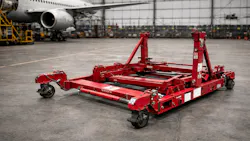
In April 2026, EngineStands.com debuted new engine stands that are compatible with CF6-80E engine types. This enhances support for organizations servicing engines like:
- GE CF6-80E1
- Pratt & Whitney PW4000
- Rolls-Royce Trent 700
EngineStands.com reports share, “The CF6-80E continues to power a significant share of the Airbus A330 fleet, with over 72 million flight hours accumulated.”
Their significant usage showcases the need for aircraft operators to have:
- Efficient serviceability
- Predictable maintenance planning
- Well-established aftermarket ecosystem
About the Author
 Emily Gorski