Industry Groups Warn Proposed Customs Restrictions Could Disrupt Airport Operations and Cargo Flows
Airline, travel and cargo organizations are warning that a proposal under consideration by the Trump administration to suspend customs and immigration processing at airports in certain U.S. cities could create significant operational challenges for international passenger and cargo traffic.
The concerns follow comments by Homeland Security Secretary Markwayne Mullin that the administration is drawing up plans that could halt customs and immigration processing at airports serving so-called sanctuary cities. While no action has been announced, the proposal could affect major international gateways including Newark Liberty International Airport, Boston Logan International Airport, Chicago O’Hare International Airport, Los Angeles International Airport, Seattle-Tacoma International Airport and San Francisco International Airport.
Customs and Border Protection officers are responsible for processing international passengers and cargo entering the United States. Industry groups have warned that removing or reducing those services at major airports would have far-reaching consequences across the aviation system.
In a joint statement, Airlines for America, the U.S. Chamber of Commerce, the National Retail Federation, U.S. Travel and other organizations said restrictions on customs operations at major airports could create widespread disruption for travelers, cargo shipments and supply chains.
“International aviation networks are highly interconnected, and operational changes at a small number of gateway airports will quickly ripple across the country,” the groups said.
The proposal comes as airports prepare for the peak summer travel season and increased international traffic ahead of the FIFA World Cup, which begins later this month in the United States, Canada and Mexico. Newark is expected to play a particularly important role in handling visitors traveling to matches in the New York metropolitan area.
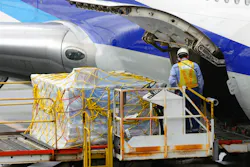
While much of the public discussion has focused on potential impacts to passengers, cargo organizations have also raised concerns about the effect on international freight movements.
The Cargo Airline Association warned that restrictions on customs processing could disrupt the movement of high-value and time-sensitive goods, including pharmaceuticals, semiconductor components and other products that depend on established international air cargo networks.
Industry groups note that many international cargo shipments cannot be easily rerouted without creating delays elsewhere in the transportation system. Any disruption at major gateway airports could also place additional pressure on cargo facilities, ground handlers and airport operations at alternate locations.
According to estimates from the U.S. Travel Association, airports serving the cities identified by the administration handle tens of millions of international passengers annually. The organization has argued that restricting customs and immigration processing could result in flight diversions, cancellations and broader economic impacts extending well beyond the affected airports.
The proposal has also generated debate within the administration. During a recent congressional hearing, Transportation Secretary Sean Duffy expressed concerns about restricting air travel based on political disagreements, stating that people from around the world need access to airports across the country regardless of local political policies.
Administration officials have emphasized that the proposal remains under consideration and has not been implemented. However, the possibility of changes to customs and immigration processing at major U.S. airports has already drawn strong opposition from airline, travel and cargo groups concerned about the potential impact on international aviation operations, supply chains and airport efficiency.
About the Author
 Jenny Lescohier