SWISS Partners With Metafuels To Advance Sustainable Aviation Fuel Development
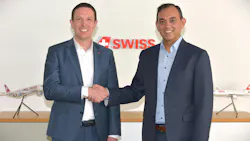
Swiss International Air Lines (SWISS) is expanding its sustainable aviation fuel (SAF) strategy through a new partnership with Swiss-based technology company Metafuels, as airlines continue searching for scalable pathways to lower-emission operations.
The collaboration is aimed at supporting the development and commercialization of synthetic SAF technologies while helping SWISS and parent company Lufthansa Group secure long-term access to alternative fuels ahead of expected European synthetic fuel blending mandates beginning in 2030.
Metafuels has developed a process that converts green methanol into synthetic aviation fuel using renewable energy, water and carbon dioxide. The company said its “aerobrew” technology is designed to work with existing aircraft fleets and airport fueling infrastructure while offering flexibility through the use of biomethanol or e-methanol feedstocks.
The partnership highlights the growing pressure on airlines and aviation stakeholders to secure future SAF supply as demand accelerates and regulatory requirements tighten across Europe. While SAF remains a key decarbonization tool for the industry, production volumes continue to lag behind projected demand.
“Future availability of sustainable fuels at sufficient scale will only be possible if investments in technologies and partnerships are made today,” said Jens Fehlinger, CEO of SWISS. “Sustainable fuels must become available much faster, at affordable prices and in significantly larger quantities in the future.”
Metafuels is currently building a demonstration SAF production plant at the Paul Scherrer Institute in Villigen, Switzerland, while also developing its first commercial-scale facility in Rotterdam.
For ground support and airport operations stakeholders, the continued expansion of SAF initiatives across Europe could carry long-term infrastructure implications, particularly as airports, fuel providers and handlers prepare for larger-scale SAF distribution and blending requirements in the coming decade.