Air Canada Cargo Advances Toronto Terminal Automation Following System Upgrade
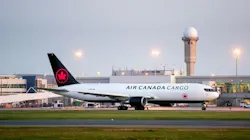
Air Canada Cargo is preparing for the next phase of automation at its Toronto Pearson International Airport cargo terminal, one year after implementing an upgraded control system developed by Lödige Industries.
The terminal's new control system, powered by Lödige's Cargo Professional air cargo management software, supported the handling of more than 250,000 metric tons of cargo during its first 10 full months of operation.
Implemented Sept. 30, 2025, the system replaced the terminal's legacy controls, with cargo operations resuming just one hour after the transition began. The upgrade was supported by around-the-clock maintenance services and remote monitoring through Lödige Industries' Customer Care Center.
The project integrated the terminal's programmable logic controllers and unit load device (ULD) management system into a single data platform. According to Lödige, the technology reduces manual data entry, helps prevent errors and provides operators with greater visibility into terminal activities.
The upgraded system also establishes the foundation for additional automation as Air Canada Cargo continues modernizing its Toronto operations.
Planned improvements include a new Elevating Transfer Vehicle (ETV) and Mobile Transfer Device (MTD). Portions of the terminal are also being prepared for a future Automated Storage and Retrieval System (ASRS).
The equipment upgrades are intended to improve ULD handling, streamline material movement and increase operational flexibility.
Jonathan Hardy, managing director of Lödige Industries North America, said completing the initial transition without disrupting ongoing cargo operations was an important milestone.
He added that the first year of operation has demonstrated the benefits of integrating software, controls, engineering and maintenance services into a unified system.
The modernization project reflects a broader industry shift toward integrated cargo management technology and automated material handling as operators seek to improve efficiency and accommodate changing freight volumes.