dnata Converts 300 Airport Jobs in Italy to Permanent Positions
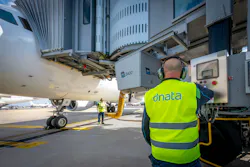
dnata is expanding its long-term workforce in Italy by converting 300 airport operations roles into permanent positions across Rome and Milan.
The move, which takes effect this month, includes 150 employees at Rome Fiumicino Airport (FCO) and another 150 across Milan Malpensa (MXP) and Milan Linate (LIN). According to the company, the initiative is part of a long-term workforce strategy designed to strengthen employment stability, support skills development and enhance operational resilience across its Italian network.
The announcement comes as dnata continues to expand one of its largest airport services operations in Europe. Across its three Italian stations, the company employs approximately 5,000 people, serving more than 60 airline customers and supporting more than 150,000 flights, 46 million passengers and nearly 18 million bags annually.
"Italy is a major part of dnata's global airport operations, and our people are at the heart of our success," said Alberto Morosi, CEO of dnata Italy. "By converting 300 roles into permanent positions, we are giving more of our colleagues greater stability while strengthening the teams that support our airline customers across Rome and Milan."
Morosi said the move reflects dnata's confidence in the Italian market following the integration of its Italian ground handling business under the dnata brand.
At Rome Fiumicino, where dnata secured a seven-year ground handling license in early 2025, the company now employs more than 2,500 people, serves 25 airline customers and has deployed approximately 700 ground support equipment units since launching operations.
In Milan, dnata continues work on a €25 million cargo facility at Malpensa Airport. Scheduled to open at the end of 2027, the facility is expected to handle more than 100,000 tonnes of cargo annually and create approximately 200 additional jobs.
The permanent employment initiative follows agreements with Italian trade unions aimed at supporting workforce development, employee welfare and work-life balance. According to dnata, the move is part of its broader strategy to strengthen operational capability and invest in the workforce supporting its global airport operations.