U.S. Airlines Prioritize Higher Fares Over Full Flights as Fuel Costs Surge
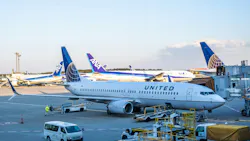
Major U.S. airlines are increasingly prioritizing higher ticket prices and profitability over filling every available seat as soaring jet fuel costs put pressure on earnings and prompt carriers to reconsider capacity growth heading into 2027.
According to Reuters, executives at Delta Air Lines, United Airlines, American Airlines, Southwest Airlines and Alaska Air Group are emphasizing stronger passenger yields rather than pursuing additional traffic through discounted fares.
The strategy has helped boost revenue despite relatively flat passenger volumes. Combined third-quarter passenger revenue at the five airlines increased nearly $8.8 billion, or 18%, compared with the same period last year, while passenger traffic grew less than 1%.
Meanwhile, jet fuel prices have climbed approximately 90% since February, outpacing airlines' ability to recover those costs through higher fares. U.S. airfares increased nearly 23% year over year during the seven months through September, according to Labor Department data.
The financial pressure is prompting carriers to take a closer look at their flight schedules and expansion plans.
Six major U.S. airlines are currently scheduled to increase domestic capacity by 3% in the fourth quarter and 3.8% in the first quarter of 2027, according to Airlines for America data. However, executives have indicated that some planned growth could be scaled back if fuel prices remain elevated.
United Airlines CEO Scott Kirby recently cautioned that published industry capacity plans for 2027 may not materialize, while American Airlines is reassessing whether additional flights can generate sufficient revenue to cover operating costs.
The potential slowdown has implications for the broader aviation services industry. Changes in flight frequencies and airline capacity can influence ground handling demand, staffing requirements, equipment utilization and airport service contracts.
For ground service providers, the evolving airline environment could make operational flexibility and cost management increasingly important as carriers balance capacity, passenger demand and profitability.