JetBlue Pushes Back on Bankruptcy Talk as Fuel Costs and Takeover Chatter Rise
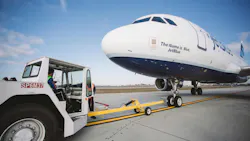
JetBlue Airways is working to steady both internal and market confidence as rising fuel costs and renewed consolidation speculation put pressure on its turnaround strategy.
In a memo to employees, CEO Joanna Geraghty said the airline is not considering bankruptcy in 2026, pushing back on mounting concerns fueled by a viral video from founder David Neeleman warning the carrier could face insolvency without significant improvement.
The reassurance comes as global airlines grapple with a sharp spike in jet fuel prices tied to geopolitical tensions in the Middle East. Disruptions through the Strait of Hormuz have nearly doubled fuel costs since the conflict began, creating the most significant industry shock since the pandemic. Fuel typically accounts for about a quarter of airline operating expenses, leaving carriers with limited ability to absorb sudden increases, especially on pre-sold tickets.
JetBlue, already in the midst of a multi-year turnaround, is particularly exposed as a mid-sized carrier with less financial flexibility than larger competitors. The airline has been focused on cost controls, route optimization and deferring aircraft deliveries under its JetForward plan, but the fuel environment threatens to slow progress.
To bolster liquidity, JetBlue recently secured a $500 million debt financing commitment backed by aircraft, with the option to raise an additional $250 million. Geraghty said the airline maintains sufficient liquidity and access to capital markets despite current pressures.
At the same time, the uncertainty has revived speculation about potential industry consolidation. Analysts have pointed to JetBlue as a more plausible takeover target following the collapse of its planned merger with Spirit Airlines. Potential strategic fits could include larger network carriers such as United Airlines or American Airlines, though any deal would face significant regulatory scrutiny.
JetBlue reported fourth-quarter revenue of $2.3 billion, down 3.5% year over year, and a net loss of $69 million, underscoring the challenges ahead. While leadership continues to emphasize an independent recovery path, the combination of elevated fuel costs and industry consolidation pressure leaves the airline at a critical inflection point.
For ground operations, sustained fuel volatility and potential network shifts could translate into schedule adjustments, fleet changes and continued pressure on turnaround efficiency as airlines look to offset rising costs wherever possible.