A Truly-Unruly No-Fly List
 Art K 1 10879990 616d985b5c8e2
Good on Delta Airlines; they are leading the way for an airline- coordinated no-fly list of people who refuse to obey the rules, wear your mask, and be nice to others. Masks are a Federal requirement. You know who you are.
First, let’s be clear who we’re talking about. The official US No Fly List is a small subset of the U.S. government Terrorist Screening Database that contains the identity of known or suspected terrorist-linked persons, maintained by the FBI’s Terrorist Screening Center. It currently prevents a total of about 680,000 of them from “boarding an aircraft when flying within, to, from and over the United States.” Clearly, that requires some international cooperation among other countries and data bases – not just airlines, but airports as well. ICAO has 193 member nations; only Lichtenstein doesn’t have an international airport.
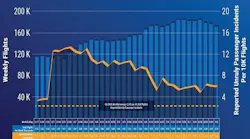
That’s different from the individual airline lists such as Delta (1,600 bans so far), United (over 1,000), and unreported numbers from American, Southwest, JetBlue, Alaskan and Hawaiian, among others. The FAA has more than 4,300 unruly passenger reports, with more than 3,000 of these being mask-related incidents, and some of those were elevated to more confrontational conclusions.
Most fall under the general rubric of “unruly passenger”, but that’s often in the eye and ear of the beholder – it has fallen anywhere from snotty, uncooperative and/or threatening language to the cabin crew, to fist fights, physical restraints, and diverted flights, as well as fines from TSA, FAA, arrest by various law enforcement jurisdictions, possible airline lawsuits for the cost of a diversion – and depending on the nature of any threats, maybe an upgrade to the big-boy list. Dangerous behavior in-flight can bring fines up to $35,000; repeat anti-maskers face fines as high as $3,000 (although a flight ban would negate a second event anyway...).
Delta is urging other carriers to help develop such an industry-wide cooperative “Truly Unruly” ban; the current proprietary lists are of little value if the customer can simply fly on another airline. Adding to the need for interoperability is that the US is highly dependent on hubbing ... we want to list your bad attitude on both legs, coming and going, so you don’t end up sleeping on the floor at Atlanta or Denver.
There are caveats, of course – privacy, competitive customer lists, false accusations and resultant arrest records, and more, which might require a traveler redress program similar to the Federal one – once you’re on the list, it’s very difficult to get off – for good reason – but it’s possible.
But if the first time you find out you’ve been banned after traveling overseas is after that confrontation with the National Polizei and you think you’re headed home, consider a local long term rental and an application for dual citizenship in your departure country -- it’s gonna be awhile.
About the Author
 Art Kosatka
CEO
Art Kosatka is CEO of TranSecure, an aviation consultancy in Virginia. He'll respond to questions or comments at [email protected].