FAA Deploys First Digital Air Traffic Control Towers at U.S. Airports

The Federal Aviation Administration (FAA) has announced that the nation's first digital air traffic control towers are operational at Bartow Executive Airport in Florida and Kenai Municipal Airport in Alaska, marking a milestone in the agency's efforts to modernize air traffic control infrastructure.
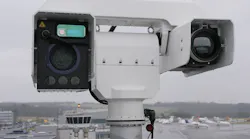
The technology uses high-definition cameras, sensors and digital displays to provide controllers with a continuous 360-degree view of runways, taxiways and surrounding airspace. Additional capabilities, including enhanced low-light visibility and aircraft identification tools, are designed to improve situational awareness and support operational safety.
Unlike conventional control towers, digital systems allow controllers to monitor airport activity from dedicated control centers without relying on direct views through tower windows. The technology also offers a potentially lower-cost alternative to constructing traditional towers, particularly at smaller and rural airports.
Five additional airports are slated to receive the systems: Winter Haven Regional Airport and Venice Municipal Airport in Florida, Montgomery County Airpark in Maryland, Johnston Regional Airport in North Carolina and Durango-La Plata County Airport in Colorado.
The FAA selected technology provider Frequentis for the deployments following years of testing and evaluation at its William J. Hughes Technical Center in Atlantic City, New Jersey.
"Digital towers provide controllers with greater visibility of airport activity and more information to make critical decisions," said FAA Administrator Bryan Bedford.
The deployments are part of a broader federal initiative to expand access to air traffic control services and modernize the nation's aviation infrastructure.