IATA Survey Finds Record Passenger Satisfaction With Airport Biometrics

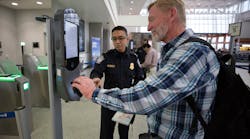
Passenger use of biometric identification at airports continues to grow, with satisfaction reaching a record high, according to the International Air Transport Association's (IATA) 2026 Global Passenger Survey.
The survey found that 58% of passengers experienced biometric technology during their airport journey over the past 12 months, up from 50% in 2025 and 34% in 2022. Among those who used biometrics, 87% reported being satisfied with the experience, compared with 86% last year.
Travelers also expressed growing interest in using digital identification to simplify airport processes. Seventy-eight percent said they would be willing to share biometric information to avoid repeatedly presenting passports or boarding passes at airport checkpoints. Among those passengers, 75% preferred registering once in advance for automatic recognition throughout their journey.
Interest in digital passports was similarly strong, with 84% of respondents expressing interest in using them for online check-in.
However, privacy remains a significant concern. Fifty-nine percent of passengers cited potential data breaches as a worry, while 49% expressed concern about their information being shared with other organizations.
North American passengers reported the highest use of biometrics globally, at 63%, but also expressed the strongest concerns about data breaches.
The survey also found that 49% of travelers have used artificial intelligence to plan trips, while 43% said immigration requirements had discouraged them from visiting a destination, up from 33% in 2025.
IATA said the findings highlight opportunities for airports, airlines and governments to streamline passenger processing through secure digital identification and more consistent travel documentation standards.
The survey included more than 10,000 respondents from over 200 countries.