Airports are Opening the Gates to Guests. Are Changes to Terminal Dining Inevitable?
Five Things You'll Learn from this Article
- How guest pass programs are changing who uses airport terminals and why
- Why increased foot traffic is forcing a shift in dining layouts and seating strategies
- How airports can balance speed and efficiency with more social, linger-friendly spaces
- The growing role of local and branded concepts in enhancing the passenger experience
- What design considerations are critical to handling higher volumes while maintaining durability and aesthetics
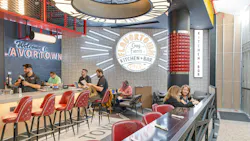 69d6765f771f3660923d2e98 Phx Guy Fieri Flavortown 2025 006
The airline industry is known for its resilience, navigating complex challenges associated with safely transporting millions of people where they need to go every day while continuing to evolve to meet the varied needs of the modern day traveler. Airports are at the forefront of customer service strategy, constantly creating new ways to make user experiences more efficient, comfortable, and entertaining in the built environment—and design works hand-in-hand with these ambitions to make them possible. The latest development in the airport scene comes from programs rolling out at more than a dozen locations across the United States granting non-ticketed guests permission to go through airport security.
The implementation of this program at locations including Tampa International Airport (TPA), San Diego International Airport (SAN), Nashville International Airport (BNA), and Seattle-Tacoma International Airport (SEA) allows visitors to go through TSA and spend time in the terminal and at the gates. It’s reported that some airports only require 15 minutes to obtain the guest pass, while others require arrangements up to seven days in advance. This policy shift is largely driven by the desire to increase revenue to airport bars and restaurants through increased exposure and larger customer bases. As a result, a domino effect on the future design of these spaces will occur, allowing airport F&B concepts to create immersive environments that foster connection without losing efficiency.
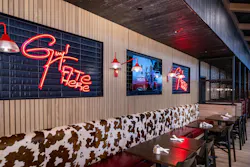
Airport terminals are evolving into social spaces as guest pass programs invite non-ticketed visitors beyond security.
Creating Space to Gather
Modern-day airport culture is about getting in and out as fast as possible, with the optimization of operations at the forefront of F&B—no one wants to miss their flight because they were waiting too long for their lunch. Inviting guests into the terminal has the potential to usher in a new era for airports, establishing these spaces as areas to slow down and gather, fostering connection and socialization rather than simply passing through. Families and friends will have more of an opportunity to spend time with their loved ones, gathering for one last meal before they depart or even greeting travelers at the gate and immediately sitting down for a convenient breakfast, lunch, or dinner.
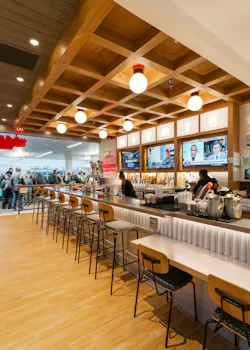
Expanded seating and flexible layouts are becoming essential as airport dining areas accommodate more diverse groups.
With increased time spent at the airport comes new needs to be met through design. Airport lounges provide great landing spots for travelers, but they’re often shrouded in a sort of exclusivity that makes them less accessible to the general public. This then puts the focus on airport restaurants and bars as gathering places for groups and individuals alike, requiring a flexible approach that can rise to accommodate any occasion.
With increased consumer needs comes a rise in spatial demands. Guest passes could also signal a shift in the space allocated to restaurants and bars within terminals, as more people beyond the threshold necessitates more seating and square footage. While quick service restaurants will always be a valuable and needed addition to airports, sit-down concepts may need to pivot their operations and floorplans to accommodate an increase in patronage—not a bad problem to have. Seating will play a large role in meeting the needs of travelers and guests, embracing a more relaxed and varied approach that provides options. For example, a bar may incorporate more lounge-style, living-room inspired spaces for those looking to sit and linger while also offering counter seating for those looking to pop in and out before or in between flights.
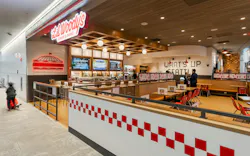
Local restaurant concepts are gaining traction in terminals, offering travelers and guests a stronger sense of place.
A New Sense of Locality
This increase in productivity, traffic, and the potential revenue generation could inspire new restaurateurs to consider operator partnerships in airport settings. This provides a two-fold advantage: translating restaurant concepts into a new operational format while exposing the brand to untapped audiences. Design is a powerful tool in facilitating the seamless integration of an established concept into a new, often more constrictive airport layout. Architects and interior designers provide valuable perspectives on what’s possible in a space while maintaining the integrity and experience of a brand.
This is especially relevant as it relates to local concepts. Consumers are increasingly seeking more authentic, localized dining both in and out of airport settings. The increased foot traffic caused by guest passes could inspire airports to ditch its typical generic Italian spots and sports bars for beloved local cuisine and brands, creating a distinct sense of place before passengers set foot outside of the terminal.
For example, Lil Woody’s, a staple in the Seattle foodscene since opening in 2011, takes as much pride in the people and environment as its fast and fresh meals and snacks. Recently, the burger chain expanded into a new format with a location in the North Terminal of the Seattle-Tacoma International Airport (SEA) with HMSHost, tapping Ideation Design Group (IDG) to create an atmosphere that honors their brand’s legacy while maximizing on efficiency.
The space feels unmistakably local and instantly recognizable, while remaining highly efficient for both dine-in and grab & go travelers. The airport space draws much of its inspiration from Lil Woody’s existing locations throughout the city, blending retro Americana diner elements—such as bold signage, warm woods, industrial metalwork and playful graphics—to create a memorable touchpoint that embodies brand personality and regional flair.
On the contrary, in many airports there are restaurant and retail concepts or brands that are not yet available in local communities. For instance, there are plenty of celebrity-run airport F&B concepts, with iconic figures like Guy Fieri and Sammy Hagar, that blend recognizable names with a fun and inviting atmosphere. Guy’s Flavortown Kitchen + Bar at Phoenix Sky Harbor International Airport (PHX) is a great example, as it creates a vibrant experience with iconic branding elements, bringing a sense of excitement and entertainment to the terminal that guests are unable to experience since the airport isn’t yet a part of the guest pass program.
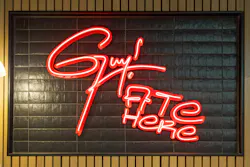
Increased terminal access is driving new opportunities for airport food and beverage operators to boost revenue and engagement.
Design that Maximizes Durability While Preserving Aesthetics
Just like in the outside world, airport restaurants are competing for diner’s attention (and dollars), especially when it comes to larger groups that could come from guest pass programs. Bold, yet grounded design is the key to tying an ambitious concept to an intriguing menu.
A major difference between traditional dining concepts located in an airport compared to those outside of it are the sheer volume of customers moving in and out of the space at one time. Airport locations generate an immense amount of foot traffic, with thousands upon thousands of travelers passing through a terminal on any given day.
To maintain the appearance and functionality of a space, architects and interior designers carefully select materials and furnishings meant to last. This requires careful consideration in aesthetics, incorporating building materials that are not only easily cleanable and long-lasting, but contribute, rather than distract from the visual experience of a space.
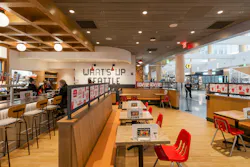
Designers are balancing high durability with elevated aesthetics to withstand heavy foot traffic in airport environments.
The Future of Flying
These pilot programs will provide valuable lessons that could help expand the presence of guest passes to an increasing number of locations across the country. The hope is that the process will eventually be streamlined and standardized, making it an easier process for guests looking to accompany their loved ones to the gates. As this becomes more widespread and the volume of patronage increases at bars and restaurants in airports, the landscape will continue to evolve, bringing exciting new concepts and approaches that will require unique design solutions and partnerships to bring them to life efficiently.
About the Author
 Jennifer Reynolds
Jennifer Reynolds
CEO
As Founder and CEO of Ideation Design Group (IDG), Jennifer Reynolds leverages over three decades of design experience to turn ambitious ideas into beautiful, high-functioning realities. Fueled by a passion for exceptional, customized design, Jennifer leads the Phoenix-based firm to closely collaborate with clients across the globe. In 2025, Jennifer became the sole owner and CEO of IDG, ushering in a new era for the firm that enhances its legacy of service while expanding upon its market capabilities.