GE Aerospace Celebrates Successful First Ground Test of Megawatt-Class Hybrid Electric Engine System
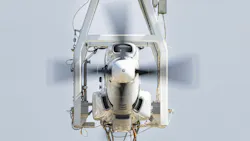
GE Aerospace has successfully conducted the first ground test of a megawatt-class hybrid electric engine system, making way for future flight testing.
The next-gen hybrid electric engine system was developed through NASA’s Electrified Powertrain Flight Demonstration (EPFD) project.
It uses both a gas turbine and also an electric powertrain to adjust power management throughout flight operations, optimizing power usage at different phases. These systems work with various advanced engine architectures as well as different fuel types.
GE Aerospace was able to validate its full integrated system for the first time through the ground test, which included elements like:
- Motors and generators
- Power converters and inverters
- Controllers
- Dowty propellers
- Avio Aero gearboxes
- CT7 engine
The system was powered by batteries by BAE Systems, with a nacelle from Aurora Flight Sciences—a Boeing subsidiary. Dowty and Avio Aero are GE Aerospace Companies.
GE Aerospace also implemented components with higher safety and reliability requirements for testing to ensure the most modern and capable hybrid electric engine system for commercial availability.
The ground testing took place at Peebles Test Operation in Ohio, where the electric powertrain was able to generate power for the battery and propeller successfully.
The teams overseeing testing looked at several flight phases, including:
- Taxi
- Takeoff
- Climb
- Cruise
“Step by step, we’re proving hybrid electric engine technology for next-generation commercial aircraft,” said Arjan Hegeman, vice president for future of flight at GE Aerospace.
Hegeman continued, “This latest ground test of a complete hybrid electric powertrain positions GE Aerospace to have the technologies ready to meet customer needs for greater durability, efficiency and range in future propulsion systems.”
“The ground test is a major turning point in our understanding of hybrid electric powertrains for aviation and a fundamental building block for the future,” added Hegeman.