Artemis Moon Mission Going ‘Flawlessly’ So Far, NASA Leaders Say
NASA Artemis mission leaders used words like “extraordinary,” “incredible” and “flawless” Monday to describe the Orion space capsule’s journey around the moon at its halfway mark and its farthest point from Earth.
“We’re just ticking off test objectives and adding more,” lead flight director Rick Labrode said.
Orion has traveled 270,000 miles into deep space setting a new distance record for a human-rated spacecraft, mission manager Mike Sarafin said. The record was previously held by Apollo 13 at 248,000 miles from Earth.
More tests and more risks are ahead before the capsule and its valuable data splash down Dec. 11 in the Pacific Ocean off California. Among the tests still coming is another major data dump of information from the rocket. Risks include the continuing threat of micrometeors in space and the performance of the capsule’s new heat shield during re-entry and splashdown.
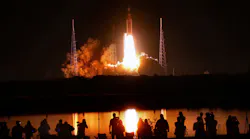
The Space Launch System rocket that got Orion into space wasn’t a challenge. Designed and tested at Huntsville’s Marshall Space Flight Center, it performed flawlessly, NASA said. But retrieving its eight avionics computers and their data is a major priority mission still ahead and a risk at splashdown. The Marshall center designed the avionics’ software.
NASA managers said Monday that they will command the capsule’s cameras to photograph four Apollo program moon landing sites as Orion travels back over that part of the moon on its way home. They expect to get some images to bring back. Photos couldn’t be taken on the outbound journey because the area was in darkness.
The briefers that included Sarafin were asked about the crew that will fly on Artemis 2. They will not be announced until after Artemis 1 is complete, they said.
The Artemis program is named after the sister of the Greek and Roman god Apollo. Its mission is to further explore the moon looking for things like ice that scientists now believe exists there. Ice is a source of water and its components - hydrogen and oxygen – can be used to make rocket fuel.
©2022 Advance Local Media LLC. Visit al.com. Distributed by Tribune Content Agency, LLC.